Sauna, Cold Plunge, or Rest? How to Choose the Right Recovery for Your Body

Sauna, Cold Plunge, or Rest? How to Choose the Right Recovery for Your Body

The modern approach to physical training has undergone a significant philosophical shift. Where once the ethos was simply “train harder,” a more nuanced understanding has emerged: training is merely the stimulus, while recovery is the crucible where adaptation actually occurs. Without adequate recuperation, continued stress leads not to growth, but to performance degradation, injury, and burnout.
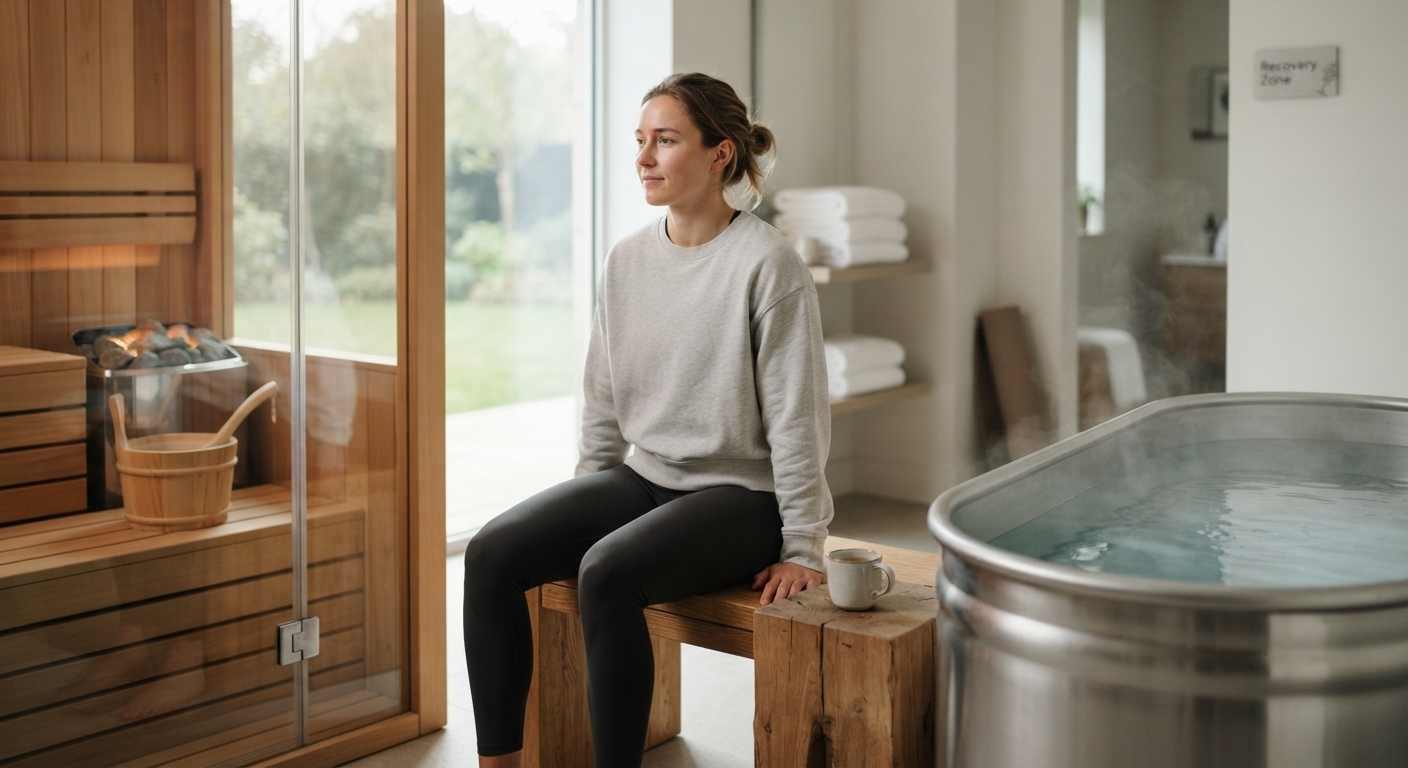
This burgeoning awareness has thrust recovery modalities—once the exclusive domain of elite athletes and specialized physical therapy clinics—into the mainstream. Today, the wellness landscape is populated by glowing cedar boxes and chilling metal tubs. The options can be overwhelming. Do you seek the deep, passive warmth of a sauna to melt away tension, or the sharp, invigorating shock of a cold plunge to numb immediate soreness?
The goal is no longer simply to “feel better”; it is to strategically enhance muscle recovery sauna cold plunge dynamics to align with specific physiological objectives. The choice is not binary, nor is it universally applicable. It is a question of timing, intent, and individual biological response.

The Physiological Imperative: Why Recovery Matters

To understand how to select the right modality, we must first deconstruct what happens to the body during exertion. Intense exercise, particularly resistance training, creates micro-trauma—tiny tears in muscle fibers. This process is essential. The body responds by repairing and reinforcing these fibers, making them stronger and more resilient. This adaptation is known as supercompensation.
However, this repair process is energetically expensive. It requires efficient circulation to deliver nutrients and oxygen to damaged tissues, and effective lymphatic drainage to remove metabolic waste products like lactate and hydrogen ions. Furthermore, the nervous system undergoes significant strain, requiring a shift from the sympathetic “fight or flight” state toward the parasympathetic “rest and digest” state to initiate healing.
Improper recovery interrupts this cascade. It leaves the muscles perpetually inflamed, the nervous system overtaxed, and the endocrine system dysregulated (often manifesting as chronically elevated cortisol). The body cannot differentiate between physical stress from a heavy squat and psychological stress from a looming deadline; allostatic load accumulates regardless of the source.
Therefore, an effective recovery protocol does more than just alleviate symptoms; it actively facilitates physiological restoration. It is a multi-faceted approach that addresses muscular repair, metabolic clearance, and nervous system rebalancing.

Heat Therapy: The Art of Passive Thermogenesis

Heat therapy, delivered via traditional Finnish saunas, infrared saunas, or warm baths, operates on the principle of increasing body temperature to induce a range of systemic physiological responses. It is a profound tool for relaxation and restoration.

The Mechanisms of Heat

When the body is exposed to therapeutic heat, its core temperature rises, triggering thermoregulatory mechanisms. Blood vessels dilate (vasodilation), particularly those in the skin and superficial tissues. This increased peripheral blood flow creates a “heat shock” response, prompting the production of specialized proteins that protect cells from stress and aid in the refolding of damaged proteins.
Simultaneously, the cardiovascular system responds by increasing cardiac output and heart rate, mimicking a moderate aerobic workout. This enhanced circulation delivers a surge of oxygenated blood and nutrients to muscle tissues, accelerating the removal of metabolic waste.
From a neurological perspective, the warmth stimulates the release of endorphins and serotonin, promoting a deep sense of calm. It effectively downregulates the central nervous system, making heat therapy an exceptionally potent tool for alleviating chronic muscle tension and preparing the body for restorative sleep.

The Primary Benefits

  1. Enhanced Muscle Relaxation: Deep heat penetrates muscle fibers, reducing their resting tone and alleviating spasms or stiffness. This makes saunas particularly effective for post-workout soreness or general muscular discomfort.

  2. Improved Circulation: The systemic vasodilation increases blood flow throughout the body, supporting the delivery of nutrients crucial for repair.

  3. Autonomic Nervous System Rebalancing: By shifting the body into a parasympathetic state, heat therapy counteracts the stress response, reducing anxiety and facilitating the relaxation necessary for recovery.

  4. Detoxification: Through profuse sweating, the body can excrete certain heavy metals and environmental toxins, although the primary role of detoxification remains the purview of the liver and kidneys.

Strategic Implementation: When to Choose Heat

Heat therapy is incredibly versatile, but its primary strength lies in its ability to promote relaxation. It is an ideal modality for:
  • Post-Workout (General): To soothe aching muscles and begin the relaxation process after a moderate training session.

  • Evening Use: The relaxation and endorphin release make it a perfect precursor to sleep, helping to improve sleep quality.

  • Rest Days: To support active recovery by increasing blood flow without adding significant cardiovascular strain.

  • Chronic Tension: For individuals dealing with daily stress or chronic muscle tightness unrelated to specific training.

Cold Therapy: The Art of Hormetic Stress

Cold therapy, encompassing cold plunges, ice baths, and cryotherapy chambers, utilizes extreme cold to elicit a stress response that ultimately strengthens the body’s resilience. It is a powerful anti-inflammatory agent.

The Mechanisms of Cold

Exposure to cold triggers immediate vasoconstriction. Blood vessels narrow, shunting blood away from the periphery and toward the core organs to preserve heat. This process reduces swelling and inflammation around damaged tissues.
However, the most profound effects occur upon rewarming. Once the body exits the cold, vasodilation rapidly occurs. This sudden rush of fresh, oxygenated blood into previously restricted areas creates a flushing effect, efficiently removing accumulated metabolic byproducts.
Furthermore, cold exposure delivers an intense shock to the nervous system. It stimulates a surge of norepinephrine—a neurotransmitter and hormone associated with alertness, focus, and mood regulation. This response can temporarily alleviate perceived soreness and dramatically boost mental clarity.
It is this very suppression of the inflammatory response that makes timing critical. Inflammation, while painful, is a necessary signaling mechanism for muscular adaptation. Blunting it excessively can interfere with the long-term hypertrophy (muscle growth) signal.

The Primary Benefits

  1. Reduced Inflammation and Swelling: By constricting blood vessels, cold therapy effectively manages acute inflammation post-injury or after extremely high-volume training.

  2. Pain Relief: The cold acts as a local anesthetic, numbing nerve endings and providing immediate, albeit temporary, relief from soreness.

  3. Neurological Awakening: The norepinephrine release provides a powerful jolt of energy and focus, counteracting post-exercise fatigue.

  4. Hormetic Conditioning: Regular exposure to controlled cold stress trains the cardiovascular and nervous systems to become more resilient to various stressors over time.

Strategic Implementation: When to Choose Cold

Cold therapy is a tactical tool best used for specific purposes. Its anti-inflammatory properties mean it should be used cautiously around hypertrophy-focused training. Choose cold when:
  • Acute Injury: To manage immediate swelling and pain following a sprain or strain.

  • High-Volume/High-Impact Training: After a competition or an intense session where reducing severe soreness is the priority, and maximizing hypertrophy from that specific session is secondary.

  • Mental Resilience Training: To build mental toughness through voluntary exposure to discomfort.

  • Daytime/Morning Use: The catecholamine (norepinephrine, epinephrine, dopamine) boost can enhance alertness and energy levels for the day ahead.

The Foundation: Sleep and Active Recovery

It is impossible to overstate the criticality of foundational recovery practices. Without these, no amount of sauna or cold plunge will yield optimal results.

Sleep: The Ultimate Recovery Modality

Sleep is non-negotiable. It is during the various stages of sleep—particularly deep sleep and REM (Rapid Eye Movement) sleep—that the body performs its most critical restorative work.
During deep sleep, the pituitary gland releases growth hormone (HGH), which is essential for tissue repair and muscle growth. Blood flow to muscles increases, and the brain undergoes necessary detoxification and memory consolidation. During REM sleep, the nervous system is highly active, facilitating emotional processing and cognitive restoration.
The recommendation of 7–9 hours of quality sleep per night is not arbitrary; it is a biological requirement for anyone engaging in regular physical activity. A consistent sleep schedule, a cool and dark sleep environment, and minimizing blue light exposure before bed are paramount.

Active Recovery: Movement as Medicine

Recovery does not mean total inactivity. In fact, complete sedentariness can lead to stiffness and prolonged soreness by failing to stimulate lymphatic drainage and blood flow. Active recovery involves low-intensity movement that promotes circulation without adding significant stress.
  • Light Walking: Engages the calf muscle pump to circulate blood from the lower extremities back to the heart.

  • Gentle Stretching or Yoga: Improves flexibility, reduces muscle tension, and enhances joint range of motion.

  • Swimming or Cycling: Provides non-impact cardiovascular activity that increases blood flow and aids in waste removal.

Active recovery sessions should feel restorative, not taxing. They should leave you feeling looser and more energized, not more fatigued.

The Art of Application: Integrating Modalities

Understanding the mechanics of heat, cold, and rest allows for a sophisticated approach to recovery. The optimal strategy is not choosing one modality exclusively, but cycling them based on context.

The Daily Reset Protocol

For individuals seeking daily maintenance and stress management, a gentle rhythm is effective:
  • Post-Workout (Afternoon/Evening): A 15–20 minute infrared sauna session to promote relaxation and muscle pliability.

  • Evening: 7–9 hours of quality sleep.

The Post-Competition Protocol

Following a major event or an exceptionally grueling training block where immediate inflammation control is the priority:
  • Immediate Post-Event: A short (5–10 minute) cool-down followed by a 3–5 minute cold plunge at temperatures below 50°F (10°C).

  • Later That Evening: A warm bath or sauna to promote relaxation and prevent excessive stiffness.

  • Next Few Days: Focus on active recovery and prioritizing sleep.

The Hypertrophy Protocol

For individuals whose primary goal is maximizing muscle growth from resistance training, cold exposure should be strategic:
  • Post-Resistance Training: Avoid cold plunges immediately after hypertrophy-focused sessions. Allow the inflammatory signal to initiate repair. Utilize light stretching or a short walk instead.

  • Rest Days or Mornings: Utilize sauna sessions to enhance circulation and relaxation without interfering with the adaptive process. If a cold plunge is desired on a rest day, time it several hours before or after a training session.

The Contrast Therapy Approach

Contrast therapy involves alternating between heat and cold, leveraging the benefits of both: rapid vasoconstriction followed by vasodilation. This cycle creates a “pumping” effect that can dramatically enhance circulation and metabolic clearance.
A typical protocol involves:
  • Heat: 10–15 minutes in a sauna.

  • Cold: 1–3 minutes in a cold plunge.

  • Repeat: Cycle this process 3–5 times, always ending on a neutral or warming note if sleep is soon to follow, or a cooling note if alertness is required. This method is excellent for severe soreness and general rejuvenation.

Cautions and Considerations

While powerful, these modalities are not without risks. Always listen to your body and consult a qualified professional if you have cardiovascular or health concerns.
  • Cardiovascular Strain: Both extreme heat and extreme cold place significant demand on the cardiovascular system. Individuals with heart conditions, high blood pressure, or a history of stroke should avoid these modalities or seek medical clearance first.

  • Pregnancy: Pregnant individuals should avoid hot tubs, saunas, and cold plunges due to risks associated with hyperthermia and extreme stress.

  • Hydration: Saunas cause significant fluid loss through sweating. Rehydration before, during, and after a session is critical. Cold plunges also cause a diuretic effect.

  • Alcohol Consumption: Never combine alcohol with sauna use or cold plunging, as it impairs judgment and magnifies cardiovascular risks.

  • Duration and Intensity: Start conservatively. Shorter durations in the sauna (10–15 minutes) and longer plunges at warmer temperatures (e.g., 55°F) allow the body to adapt. Do not push past the point of discomfort or shivering.

Conclusion: Mastering the Art of Recovery

Choosing the right recovery modality is an act of self-governance. It requires a deep understanding of your body, your training stimulus, and your ultimate goals.
The deep, passive warmth of a sauna is an ally for relaxation, tension relief, and preparing the body for restorative sleep. The sharp, invigorating shock of a cold plunge is a tactical tool for managing acute inflammation, boosting alertness, and building resilience.
Yet, neither can substitute the absolute foundation of recovery: 7–9 hours of quality sleep and the restorative power of low-intensity movement.
There is no single “best” recovery strategy. The magic lies in the thoughtful integration of these modalities into a holistic lifestyle. By honoring the recovery process, you transform training from a cycle of breakdown into a sustainable journey of growth, adaptation, and peak performance. The rest is up to you.