The Physiological Imperative: Why Recovery Matters
Heat Therapy: The Art of Passive Thermogenesis
The Mechanisms of Heat
The Primary Benefits
-
Enhanced Muscle Relaxation: Deep heat penetrates muscle fibers, reducing their resting tone and alleviating spasms or stiffness. This makes saunas particularly effective for post-workout soreness or general muscular discomfort.
-
Improved Circulation: The systemic vasodilation increases blood flow throughout the body, supporting the delivery of nutrients crucial for repair.
-
Autonomic Nervous System Rebalancing: By shifting the body into a parasympathetic state, heat therapy counteracts the stress response, reducing anxiety and facilitating the relaxation necessary for recovery.
-
Detoxification: Through profuse sweating, the body can excrete certain heavy metals and environmental toxins, although the primary role of detoxification remains the purview of the liver and kidneys.
Strategic Implementation: When to Choose Heat
-
Post-Workout (General): To soothe aching muscles and begin the relaxation process after a moderate training session.
-
Evening Use: The relaxation and endorphin release make it a perfect precursor to sleep, helping to improve sleep quality.
-
Rest Days: To support active recovery by increasing blood flow without adding significant cardiovascular strain.
-
Chronic Tension: For individuals dealing with daily stress or chronic muscle tightness unrelated to specific training.
Cold Therapy: The Art of Hormetic Stress
The Mechanisms of Cold
The Primary Benefits
-
Reduced Inflammation and Swelling: By constricting blood vessels, cold therapy effectively manages acute inflammation post-injury or after extremely high-volume training.
-
Pain Relief: The cold acts as a local anesthetic, numbing nerve endings and providing immediate, albeit temporary, relief from soreness.
-
Neurological Awakening: The norepinephrine release provides a powerful jolt of energy and focus, counteracting post-exercise fatigue.
-
Hormetic Conditioning: Regular exposure to controlled cold stress trains the cardiovascular and nervous systems to become more resilient to various stressors over time.
Strategic Implementation: When to Choose Cold
-
Acute Injury: To manage immediate swelling and pain following a sprain or strain.
-
High-Volume/High-Impact Training: After a competition or an intense session where reducing severe soreness is the priority, and maximizing hypertrophy from that specific session is secondary.
-
Mental Resilience Training: To build mental toughness through voluntary exposure to discomfort.
-
Daytime/Morning Use: The catecholamine (norepinephrine, epinephrine, dopamine) boost can enhance alertness and energy levels for the day ahead.
The Foundation: Sleep and Active Recovery
Sleep: The Ultimate Recovery Modality
Active Recovery: Movement as Medicine
-
Light Walking: Engages the calf muscle pump to circulate blood from the lower extremities back to the heart.
-
Gentle Stretching or Yoga: Improves flexibility, reduces muscle tension, and enhances joint range of motion.
-
Swimming or Cycling: Provides non-impact cardiovascular activity that increases blood flow and aids in waste removal.
The Art of Application: Integrating Modalities
The Daily Reset Protocol
-
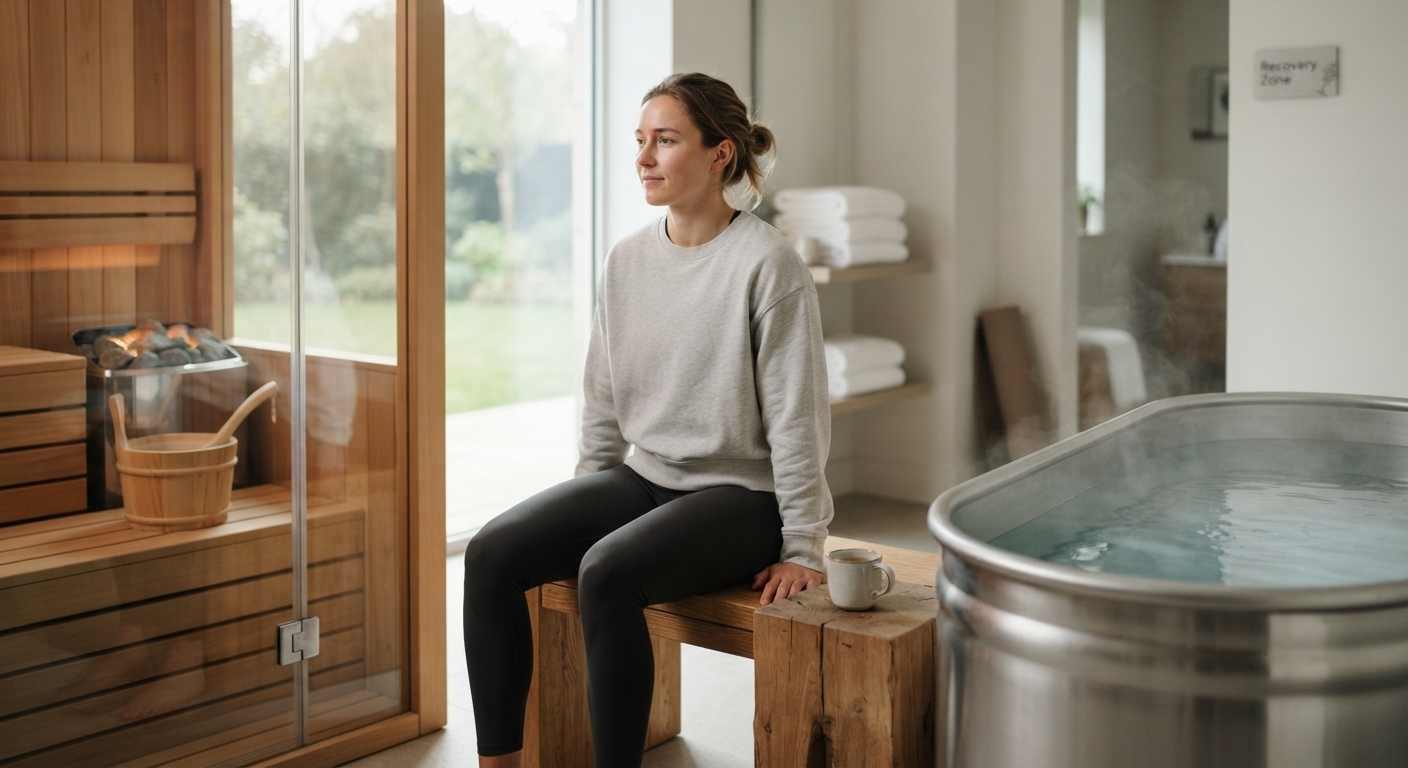
Post-Workout (Afternoon/Evening): A 15–20 minute infrared sauna session to promote relaxation and muscle pliability.
-
Evening: 7–9 hours of quality sleep.
The Post-Competition Protocol
-
Immediate Post-Event: A short (5–10 minute) cool-down followed by a 3–5 minute cold plunge at temperatures below 50°F (10°C).
-
Later That Evening: A warm bath or sauna to promote relaxation and prevent excessive stiffness.
-
Next Few Days: Focus on active recovery and prioritizing sleep.
The Hypertrophy Protocol
-
Post-Resistance Training: Avoid cold plunges immediately after hypertrophy-focused sessions. Allow the inflammatory signal to initiate repair. Utilize light stretching or a short walk instead.
-
Rest Days or Mornings: Utilize sauna sessions to enhance circulation and relaxation without interfering with the adaptive process. If a cold plunge is desired on a rest day, time it several hours before or after a training session.
The Contrast Therapy Approach
-
Heat: 10–15 minutes in a sauna.
-
Cold: 1–3 minutes in a cold plunge.
-
Repeat: Cycle this process 3–5 times, always ending on a neutral or warming note if sleep is soon to follow, or a cooling note if alertness is required. This method is excellent for severe soreness and general rejuvenation.
Cautions and Considerations
-
Cardiovascular Strain: Both extreme heat and extreme cold place significant demand on the cardiovascular system. Individuals with heart conditions, high blood pressure, or a history of stroke should avoid these modalities or seek medical clearance first.
-
Pregnancy: Pregnant individuals should avoid hot tubs, saunas, and cold plunges due to risks associated with hyperthermia and extreme stress.
-
Hydration: Saunas cause significant fluid loss through sweating. Rehydration before, during, and after a session is critical. Cold plunges also cause a diuretic effect.
-
Alcohol Consumption: Never combine alcohol with sauna use or cold plunging, as it impairs judgment and magnifies cardiovascular risks.
-
Duration and Intensity: Start conservatively. Shorter durations in the sauna (10–15 minutes) and longer plunges at warmer temperatures (e.g., 55°F) allow the body to adapt. Do not push past the point of discomfort or shivering.